Entries Tagged 'marketing' ↓
September 16th, 2011 — copywriter, freelance copywriter, marketing, PR, social media
 As a freelance copywriter I spend a lot of time educating potential clients of the value of what I do.
Granted, some may already understand the added value I will bring to their company, but others have just been told they should use a copywriter without really understanding why.
A copywriter can obviously write great marketing copy, but they bring more than that to the table. Because they are not part of your company, they can see your products and services from your customers’ point of view.
That might not sound much, but what it means is that they can write benefits led copy that will resonate with your reader.
Where’s this going?
Well, the other day I came across a job advert. It was advertising a fairly junior position, looking for someone with the following skills:
- Copywriting
- PR
- Events
- Social media
That is an awful lot of skills. My question is can someone really be an expert in all of these fields to make sure the company achieves the results it wants?
As a copywriter, I can certainly create eye-catching copy that sells. But as for being a PR guru, events expert or a social media expert..?
Granted, I use social media in my business – but I wouldn’t profess to be an expert at it. I dabble in PR for my own purposes – but I don’t have the connections or expertise required to call myself a PR guru. As for events, to be honest I’d be hopeless at that.
Devaluing skills
I can understand why businesses today want to find people who are able to perform multiple tasks. For a start, they only have one salary to pay rather than four.
But lumping together these very different skill sets into one role, in my opinion, devalues the professional copywriters, PR people, events and social media experts out there.
To master all of these disciplines takes time and experience.
They may think they are being rather canny creating such a complex and multidiscipline role, but in reality they are heading for a fall.
By not bringing in experts in each field (either on permanent contracts or on a freelance basis), the company is running the very real risk of not being represented well in any of the fields.
- Its copy won’t resonate with the reader or sell
- Its PR efforts are unlikely to generate the coverage they want or need
- Its events won’t shine
- Its social media activities won’t generate the buzz they’re looking for
Much of the problem stems from the company not understanding the value and importance of each of these fields.
Yes, we can all write, but writing copy that resonates with the reader, sells to them and with SEO in mind is a tall order.
As with PR, most people can put together a press release, but how many understand how to place it? How many people understand the nuances of getting a company in front of the people it wants to impress and attract?
Most of us dabble in Facebook and Twitter, but how many people understand how to engage with people, how to combine the power of the social media sphere (blogs, Facebook, Twitter and forums) to get the most out of it.
How many people could organise a truly stunning event?
When you look at it that way, you begin to understand the true value of each skill set.
Have your say
If you are a copywriter, PR, event organiser or social media person, what is your take on this?
Do you think it’s possible to find all these skills within one person?
Leave a comment below and let’s get a debate started.
September 14th, 2011 — Call to Action, copywriting tips, email copywriting, freelance copywriter, marketing, website copywriting
 Creating eye-catching, interesting and relevant copy is not easy.
Whether you write your own in-house, or you hire in a professional copywriter, your copy has to address your reader directly and really sell the benefits of your product or service.
Let’s assume for a moment that you’ve got some stonking copy written. Your website looks amazing and has all the latest social gadgets and gizmos. Your brochures look slick and really grab attention. Even your emails are pretty snazzy.
But you’ve got a problem.
Despite all that, your conversions are really low. Your phone isn’t ringing and rather than your inbox being full of leads, it’s full of junk mail from companies trying to sell you Viagra.
What’s gone wrong?
Your CTA is AWOL
The most probable cause is your Call to Action (CTA), or rather lack of one.
There is an argument that states that your customers are intelligent and will therefore know what you want them to do.
Granted, they are most probably intelligent, but that doesn’t mean they will make contact with you. If you want that to happen, you have to tell them that’s what you want them to do.
A clear, commanding and effective Call to Action is the crowning glory of your copy.
1. Relevant
The first thing to remember is that your CTA must be relevant to your business.
If you want them to sign up for a newsletter, tell them and provide a link so they can do it easily. If you want them to call you, tell them and give them your phone number.
2. Commanding and clear
Don’t make them hunt round your copy for your CTA because they won’t bother. Make sure it stands out and is commanding.
Adding a line such as “It would be really nice, if it’s not too much bother, to hear from you. So if you have time, we’d be grateful if you could perhaps call us at a time that’s convenient to you” is not going to inspire them to pick up the phone.
“Call us on xxxxx”, “register now by clicking here”, “Email us today on xxxx@xxxxx for more information”.
Be commanding and tell them exactly what you want them to do.
3. Make it part of your copy
Your CTA doesn’t have to be left to the end of your web page, brochure or email. You can dot them liberally throughout the text. But make sure they fit the context.
If you randomly add one halfway through a text section it’s going to jar and leave your reader confused. Make sure the content immediately before your CTA leads up to it so it’s a natural progression.
4. Make it visible
You can make your CTA stand out by placing it in bold text and having it as a paragraph on its own. As I mentioned above, don’t feel as though you have to wait until the end before adding it.
If the content allows, add them in several locations so they are always visible to your reader. That way, as soon as they’ve decided they want to make contact, they can without having to hunt round for your details.
The best Calls to Action are:
Be bold and tell your reader what you want them to do.
Over to you
Take a look at your marketing materials.
Do they all have clear CTAs? If not amend them quickly. If you don’t have a CTA, you’re unlikely to get great conversions.
August 19th, 2011 — marketing, QR Codes
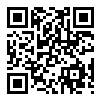 A few months back I wrote a post about QR Codes and how they can help you market your business.
But before you dive in and get yourself one of these snazzy little boxes, you must make sure you think carefully about how you and your customers will use it.
You should also ask yourself how tech-savvy your customers are.
If you suddenly adopt the QR Code as a means of accessing special offers or how to sign up to your newsletter you could be seriously limiting your market reach.
A lot of your customers won’t know what one of these strange little boxes is yet alone what it’s for. They may not even be interested in scanning it (even if they knew how) so make sure you offer other was of signing up too.
A few things to remember
1. Educate
If you’re going to use a QR Code tell people what it is, what they need to do and how to read it. Plus tell them it will take them to a great offer, your mobile site or a sign up form so they know what to expect when they get there.
2. Give them a helping hand
Not everyone with a smartphone will have a QR Code reading app.
Let them know they need an app, where to get one from and, perhaps, suggest some that you know work.
3. What do you want them to do?
Once you’ve educated your customers, shown there where to get their app and what to do with it, give some thought about what you want them to do.
The landing page that the QR Code takes them to has to do something so make sure it has a strong call to action.
4. Make it easy to read
Your QR Code has to be flat and uncreased to scan properly. So placing it on a t-shirt may look cool but it won’t work.
Have you started using QR Codes yet?
Leave a comment and let us know how you’re using your QR Code.
- Do you have a novel way of displaying it?
- Where does it take your customers?
- Has it been well received and well used?
It would be really interesting to hear some of your success or horror stories.
August 12th, 2011 — marketing, networking, PR, Press releases, social media
 What do you think of when you think PR?
- Air kissing
- Extremely expensive magazine/newspaper columns
- Glossy magazine adverts…
Believe it or not, PR doesn’t have to break the bank. In fact sometimes it won’t even touch it.
Being in the know
A lot of your PR can cost you virtually nothing. All you need it a bit of time to get to know people and build a few relationships.
Let’s look at press first. There’s bound to be an industry magazine you can contact or perhaps your networking group has a magazine or e-newsletter. Either way they are a great source of free PR.
Get in touch with the editor and find out what they’re looking for. If you have a great story (and we all love real life stories), pick up the phone and have a chat with them – tell them what you have to say. If they like it, write it down and send it in. But make sure it’s ready to go (without any typos etc) because if they can just cut, paste and print they are more likely to use it.
Being seen
Getting in front of people is another great way to boost your exposure.
Whether it’s having a stand at an exhibition (yes that will have a cost attached to it), giving a talk at an event (that won’t), chairing a committee or attending events, you will gain great exposure and meet interesting and potentially useful people.
In other words, get out there and network.
Being bold online
You don’t have to be seen in the flesh to gain great PR.
Social networking is everywhere – Twitter, Facebook, Google+, not to mention all the online forums.
Get out there, start interacting and offering advice.
Of course you can also blog. Having a blog that concentrates on your expertise (I’m a copywriter and marketer so that’s what this blog is all about) enables you to write posts that help people and that will position yourself as an expert in your field.
Be yourself
Everything you do (within reason) can be used to further your PR.
If you do daft things for charity, publicise it.
If you’re launching a new look website, tell people
If you’ve moved premises, shout about it.
If you’re taking on new staff, tell the world.
Basically anything you do that is newsworthy can be turned into a press release.
So you see, PR doesn’t have to cost the earth. Virtually everything you do has an element of PR in it, you just have to learn how to leverage it.
What do you do to help your PR? Leave a comment below and share your best piece of free PR or any other PR tips you find that work for you.
July 29th, 2011 — marketing, Testimonials
 Testimonials are a very powerful marketing tool.
They instantly show potential customers what you are like, how you work, how trustworthy you are and how your customers perceive you.
And that’s why it’s so important to ask your customers for testimonials.
But a simple “thank you, we were happy with the service you gave” doesn’t really tell you anything. The best testimonials have substance to them. So how do you make sure you get what you need?
Asking the right questions
The easiest way to ensure you get what you need is by asking them to answer specific questions in your email request.
Outline that their feedback is vital to help you and your company continue to improve and that you would be grateful if they would take the time to answer a few questions. Of course, you should also make them aware that their responses may be used as testimonials on your website and marketing materials.
So what do you ask?
Well, how about:
- What made you decide to choose [company name]? Was there anything that made them stand out above their competitors?
- What did you need from [company name]?
- Did you have any concerns about choosing [company name]?
- How did they help you with your challenge?
- Were there any specific features of the service that you particularly enjoyed/found useful?
- Would you recommend [company name] and why?
- Would you like to add anything else?
By asking specific questions like this you will gain detailed testimonials that give potential customers a great picture of what you are like as a company.
When should you ask for a testimonial?
If at all possible, you should ask for testimonials from every client. Of course, for many companies that’s just not practical.
You should aim to ask for as many you can and, if you offer a range of products and services, try and get them for different aspects of your business to give a rounded picture.
Regularly updating testimonials on your website will not only help you show off your credentials, it will also help you add fresh content.
Remember, a good testimonial is worth its weight in gold so make sure you ask for them regularly and ask specific questions to really make them work for you.
Sally Ormond, freelance copywriter, blogger and social media addict